

Clinical Trial Copilots and Clinical Operations AI for Enterprise Biopharma: An Executive Guide
Overview
Enterprise biopharma trials face high costs, long timelines, regulatory demands and fragmented data. A clinical trial copilot, also described as clinical operations AI, clinical trial intelligence or a clinical AI platform, applies AI to the daily work of trial teams: authoring and startup documents, grounding outputs in curated clinical knowledge, monitoring progress and supporting recruitment.
This guide is written for executives and program owners. It sets out the challenges a copilot addresses, the benefits and competitive advantages of Innovo Copilot, and how to adopt a copilot across global and multi-site trials: aligning it to strategy, governing data, engaging teams, and monitoring results after rollout.
Introduction
Introduction
The biopharmaceutical landscape is characterized by increasing complexity, particularly at the intersection of clinical trials and patient access. As the industry faces escalating costs, lengthy timelines, and regulatory hurdles, the implementation of a clinical trial copilot represents a significant advancement in trial management. This article examines how such technology streamlines trial processes and addresses persistent challenges. This prompts an examination of whether AI-driven copilots can redefine clinical trial processes and improve patient outcomes.
Why Biopharmaceuticals Need a Clinical Trial Copilot for Enterprise Trials
Identify Challenges in Clinical Trial Management
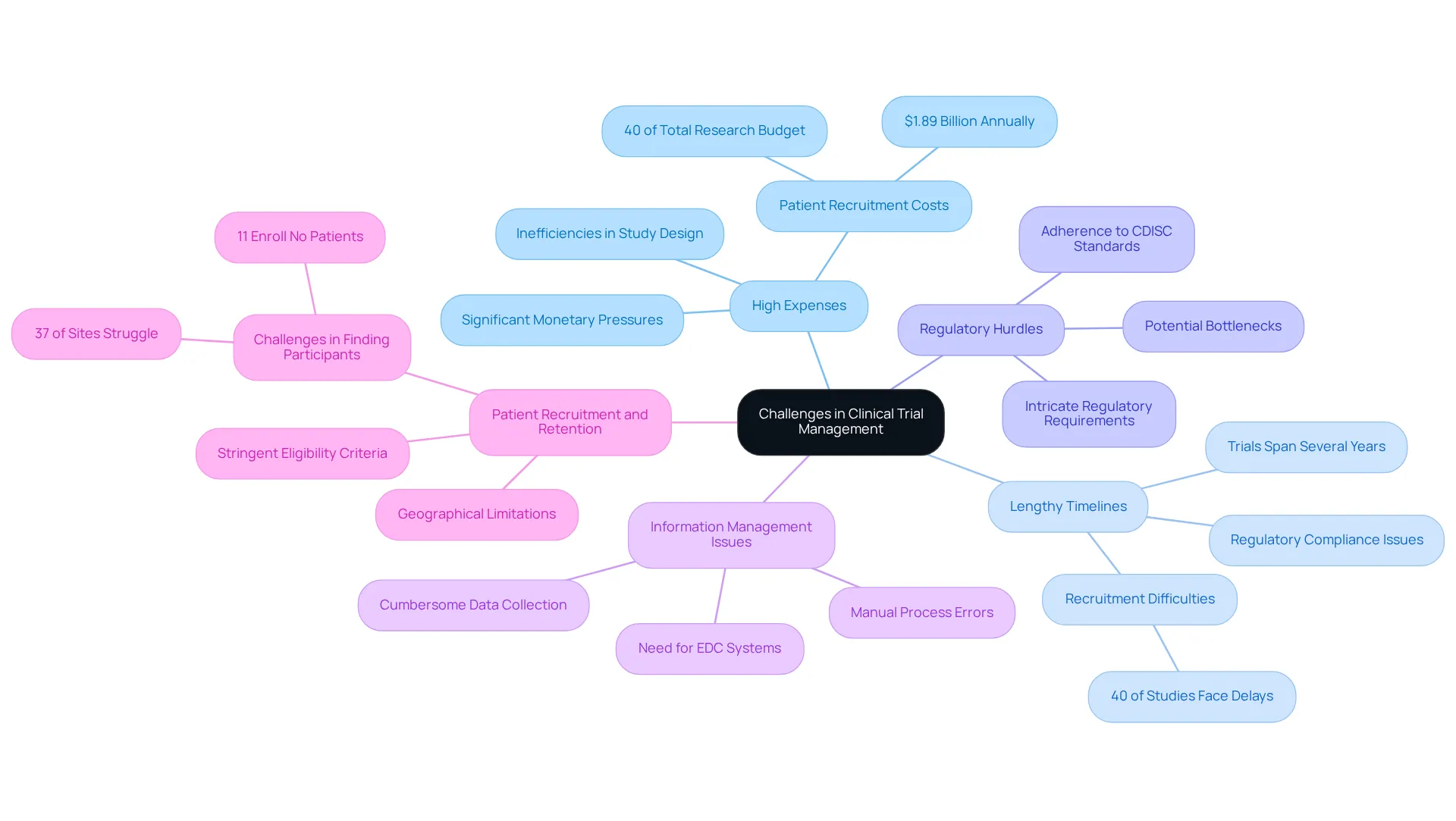
Clinical study management is fraught with challenges that can impede the progress of drug development. Key issues include:
- High Expenses: Carrying out medical studies involves significant monetary pressures, frequently surpassing millions of dollars. Budget overruns are exacerbated by inefficiencies in study design and execution, with patient recruitment alone representing approximately 40% of the total research budget, equating to around $1.89 billion each year. Innovo Copilot tackles these cost challenges by halving the time required for protocol and study startup document creation. This reduction minimizes manual rework and versioning issues.
- Lengthy Timelines: Trials can span several years, delaying the market introduction of potentially life-saving treatments. Recruitment difficulties and regulatory compliance are significant factors in these delays, with around 40% of clinical studies facing setbacks or early termination due to issues in enrolling participants. Innovo Copilot simplifies the authoring process, ensuring that documents are precise and aligned, which aids in accelerating timelines.
- Regulatory Hurdles: The intricate environment of regulatory requirements can significantly delay testing processes. Each trial phase must adhere to strict guidelines, leading to potential bottlenecks if not managed effectively. Innovo Copilot ensures compliance by grounding outputs in the organization’s curated clinical knowledge base, integrating historical protocols and regulatory context, which enhances adherence to CDISC standards and regulatory guidance.
- Information Management Issues: The collection, analysis, and reporting of information can be cumbersome and prone to errors, particularly when relying on manual processes. Implementing electronic information capture (EDC) systems and electronic master files (eTMFs) is crucial for improving information management and ensuring regulatory compliance. Innovo Copilot improves data management by offering traceable, version-controlled outputs that assist with compliance and system validation, ensuring that data integrity is preserved throughout the lifecycle.
- Patient Recruitment and Retention: Finding and retaining suitable participants is one of the most significant challenges in clinical trials. Approximately 37% of research locations face challenges in recruiting a sufficient number of volunteers, and in 11% of instances, not a single participant is enrolled. Factors such as geographical limitations, patient awareness, and stringent eligibility criteria can hinder recruitment efforts. Innovo Copilot's tailored AI solutions facilitate better engagement and communication, potentially improving recruitment strategies.
Acknowledging these challenges highlights the need for biopharmaceutical firms to embrace innovative solutions like the clinical trial copilot for enterprise trials, which simplify their research processes. Embracing the clinical trial copilot for enterprise trials is essential for biopharmaceutical firms aiming to enhance their research efficiency and reduce costs.
Explore Benefits of Clinical Trial Copilot
The implementation of a clinical trial copilot fundamentally enhances the management of clinical trials:
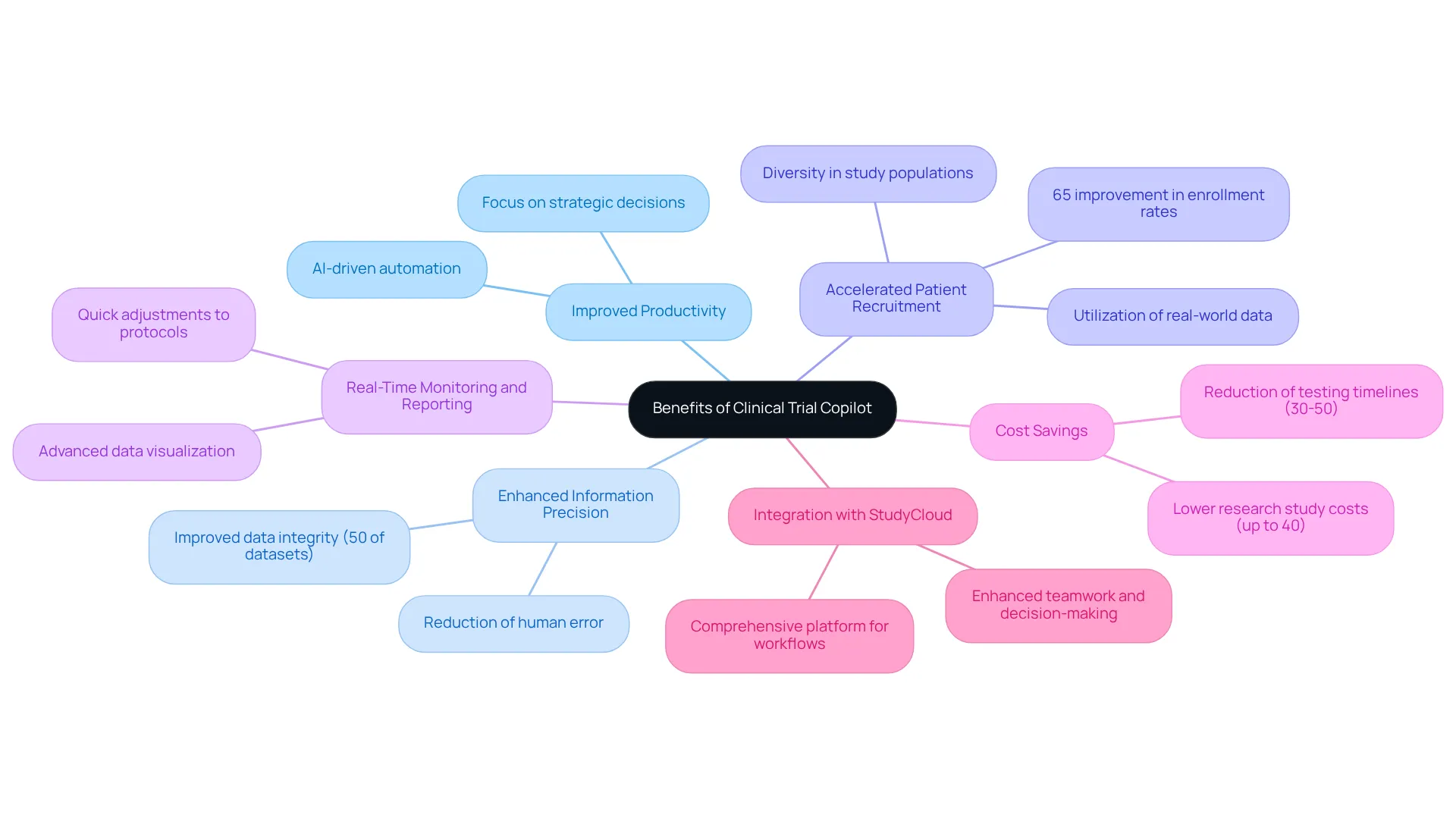
- Improved Productivity: InnovoClinical's AI-driven platform automates repetitive tasks and optimizes workflows, significantly decreasing the time needed for setup and execution. This allows teams to concentrate on strategic decisions rather than administrative tasks, thereby accelerating the testing process.
- Enhanced Information Precision: With AI-driven tools, InnovoClinical reduces human error in information collection and analysis, ensuring trustworthy results that adhere to regulatory standards. This improvement elevates the overall quality of experimental information, tackling the crucial concern of information integrity that impacts 50% of research datasets.
- Accelerated Patient Recruitment: A research copilot utilizes real-world data to identify and involve potential participants more efficiently. This capability not only speeds up recruitment but also encourages diversity within study populations, which leads to 80% of studies failing to meet enrollment deadlines. AI clinical study optimization tools from InnovoClinical are enhancing enrollment rates by 65%, further supporting the copilot's effectiveness in recruitment.
- Real-Time Monitoring and Reporting: With advanced data visualization features, InnovoClinical's platform empowers managers to monitor progress in real-time, facilitating quicker adjustments to protocols and strategies as needed. This adaptability is crucial in an environment where patient recruitment cycles have been reduced from months to days due to AI advancements.
- Cost Savings: By shortening testing timelines and enhancing operational efficiency, a copilot can lead to significant cost reductions. With research studies consuming about 40% of pharmaceutical R&D budgets, these savings are especially crucial in an industry where financial resources are frequently limited. InnovoClinical's AI integration can lower research study costs by as much as 40%, highlighting the financial advantages of adopting a research study copilot.
- Integration with StudyCloud: InnovoClinical's StudyCloud enhances these benefits by providing a comprehensive platform that connects fragmented workflows, ensuring that all stakeholders have access to the same information. This integration promotes teamwork and enhances decision-making among groups, further streamlining the research process.
These advantages together enhance a more efficient and effective research process, making a strong argument for the adoption of a research copilot in clinical trials. The integration of these advantages underscores the necessity for adopting a research copilot in clinical trials.
Analyze Competitive Advantages of AI in Trials
The integration of AI into clinical trials addresses significant inefficiencies in traditional drug development processes:
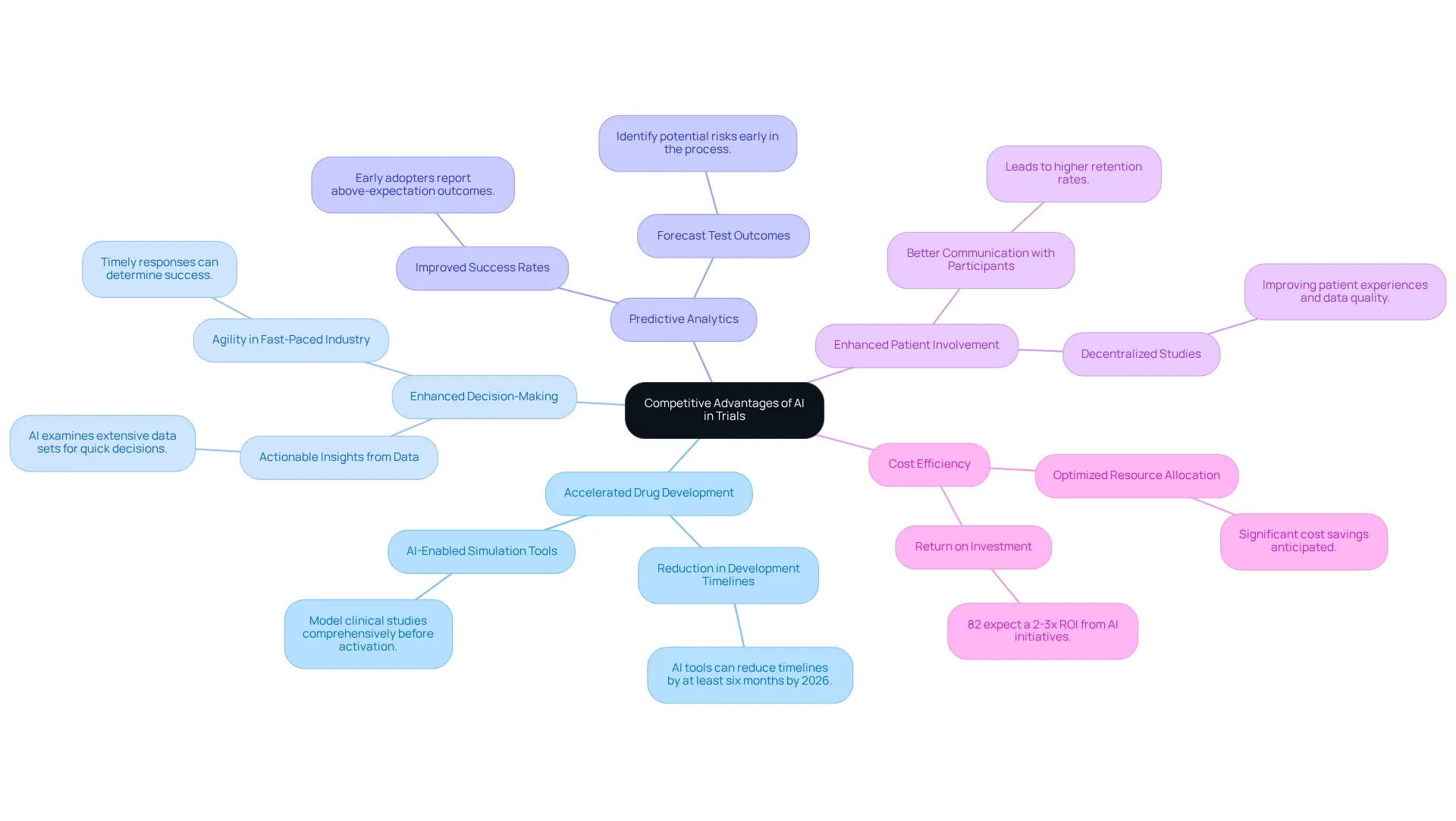
- Accelerated Drug Development: AI streamlines various phases of drug development, enabling companies to bring products to market faster than those relying on traditional methods. AI-enabled simulation tools allow organizations to model clinical studies comprehensively before activation, which could reduce development timelines by at least six months by 2026.
- Enhanced Decision-Making: AI tools examine extensive data sets to offer actionable insights, enabling managers to make informed choices quickly. This agility is crucial in a fast-paced industry where timely responses can determine success.
- Predictive Analytics: Utilizing predictive models enables companies to forecast test outcomes and identify potential risks early in the process. This proactive strategy can reduce delays and improve success rates, with early adopters reporting above-expectation outcomes in shortened testing timelines.
- Enhanced Patient Involvement: AI facilitates better communication and interaction with study participants, which leads to higher retention rates and more reliable data collection. Decentralized studies, enhanced by AI, are improving patient experiences and data quality, contributing to more inclusive and representative datasets.
- Cost Efficiency: Optimizing resource allocation through AI can lead to significant cost savings. Organizations anticipate a return on investment of 2-3 times from AI initiatives, enabling reinvestment in innovation and development.
These competitive benefits emphasize the importance of embracing AI technologies in research studies, enabling companies to thrive in a progressively intricate and competitive landscape. The strategic adoption of AI technologies is not merely advantageous; it is essential for sustained success in the evolving biopharmaceutical landscape.
Adopt a Copilot Across Enterprise, Global and Multi-Site Trials
Terms such as clinical trial copilot, clinical operations copilot, clinical operations AI, clinical trial intelligence and clinical AI platform overlap. What matters is the work the tool supports and who is accountable for the result. The angles below cover the questions executives, program owners and study managers raise most often.
Strategy and governance (executives and program owners)
- Tie the copilot to named strategic goals and measurable KPIs before rollout, so its value can be judged against the problems it was bought to solve.
- Set data governance and IT requirements early: which records the copilot may use, who reviews its outputs, and how outputs stay traceable and version-controlled.
- Put validation, compliance review and periodic audits in place, with feedback loops that let the organization adjust how the tool is used.
- Plan for adoption challenges such as resistance to change, skill gaps, cost and compliance concerns. Pilot first, engage stakeholders, and train by role.
Global trials
- Start with a needs assessment and clear objectives, then address barriers that grow with scale: data privacy across regions, integration with existing systems and allocation of resources.
- When evaluating a clinical AI platform for global use, check functions, user-centric design, compliance, integration and scalability, then integrate in phases with pilots and user training.
- Use predictive analytics and data-driven site selection to anticipate enrollment risk, and keep adjusting the strategy as the trial progresses.
Multi-site trials
- A copilot gives many sites a shared channel for communication and data, which reduces coordination friction between sites and the central team.
- Focus on protocol design, matching patients through electronic health records, reducing site burden and governing AI use consistently across sites.
- Use real-time data integration and analytics for oversight of enrollment and site performance, and keep sites engaged across trial phases.
Understanding the technology
- Clinical trial AI covers several methods, including machine learning, natural language processing, process automation and engagement tools, applied across trial phases from protocol authoring to safety monitoring.
- Address ethics, bias, privacy and explainability up front, and evaluate the AI strategy continuously rather than once at launch.
- Competitive and market analysis can also inform trial planning and positioning for strategy and portfolio teams.
Assess Long-Term Impact on Biopharmaceutical Innovation
Integrating clinical trial copilots and AI technologies into biopharmaceutical innovation presents significant long-term implications for the industry:
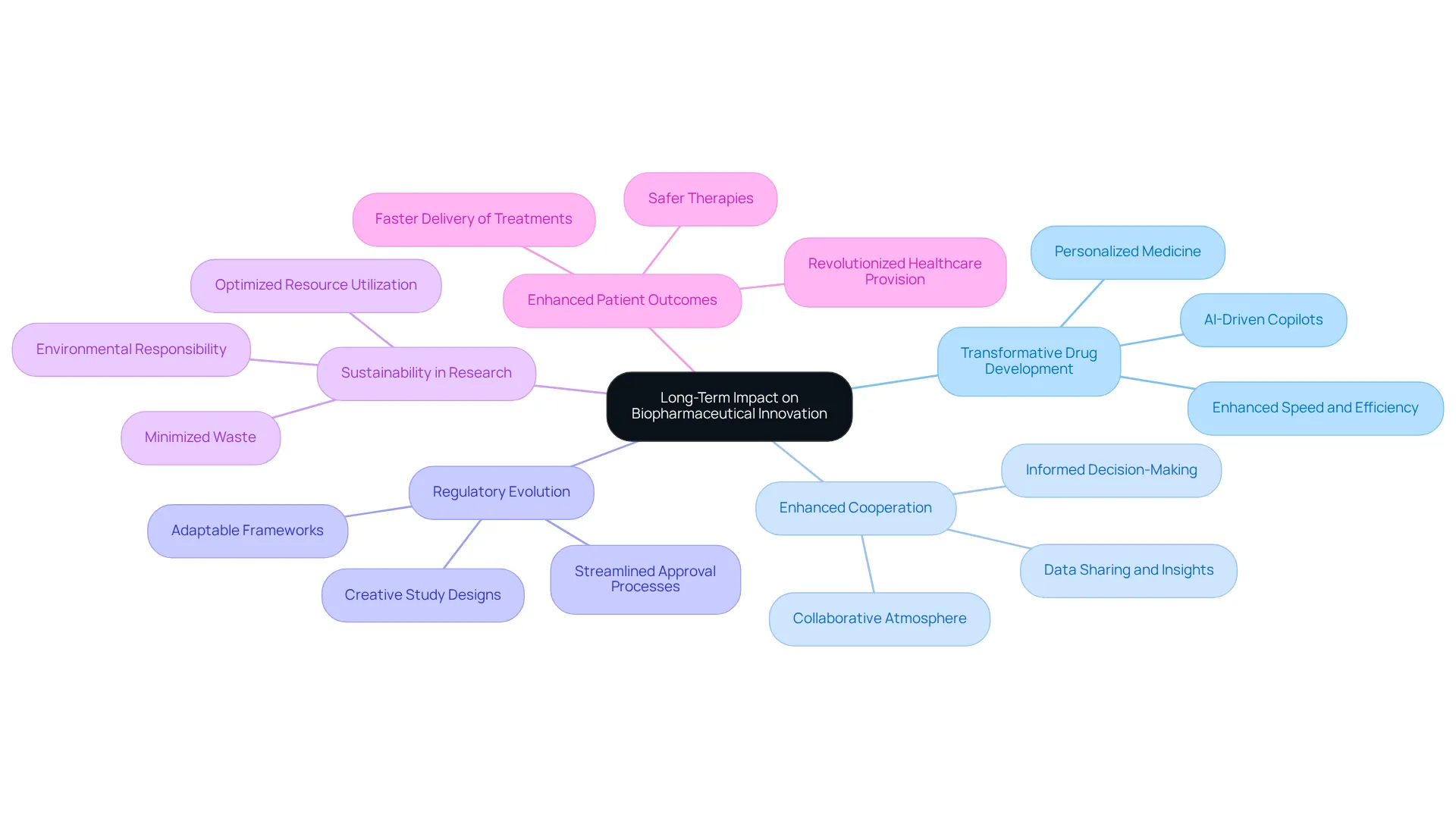
- Transformative Drug Development: The integration of AI-driven copilots will fundamentally transform drug development, enhancing speed and efficiency while being more responsive to individual needs. This transition is likely to lead to the emergence of personalized medicine, where treatments are tailored to individual patient profiles.
- Enhanced Cooperation: The adoption of these technologies promotes a cooperative atmosphere in research studies, motivating stakeholders to collaborate more efficiently. This collaboration enhances data sharing and insights, ultimately leading to better-informed decision-making.
- Regulatory Evolution: As AI becomes essential to research studies, regulatory organizations may modify their frameworks, paving the way for more adaptable and creative study designs. This evolution could streamline approval processes and encourage the adoption of cutting-edge methodologies.
- Sustainability in Research: AI technologies optimize resource utilization and minimize waste, contributing to more sustainable research practices. This aligns with global objectives for environmental responsibility, ensuring that biopharmaceutical innovation does not come at the expense of ecological health.
- Enhanced Patient Outcomes: The primary objective of these innovations is to enhance patient outcomes. By optimizing research studies and improving their effectiveness, the industry can provide safer and more efficient therapies to individuals more swiftly, ultimately revolutionizing healthcare provision.
The long-term implications of adopting a clinical trial copilot for enterprise trials and AI technologies are set to reshape the biopharmaceutical landscape, driving innovation and significantly improving patient care. Failure to embrace these advancements may hinder progress in patient care and innovation within the biopharmaceutical sector.
Conclusion
Conclusion
The role of a clinical trial copilot in biopharmaceuticals is essential for addressing the complex challenges of clinical trial management. By leveraging advanced technology, particularly AI, biopharmaceutical firms can streamline processes, enhance data integrity, and ultimately accelerate the development of life-saving treatments.
Throughout the article, key challenges such as high costs, lengthy timelines, regulatory hurdles, and patient recruitment difficulties were examined. The introduction of a clinical trial copilot addresses these issues by improving productivity, ensuring compliance, and facilitating better patient engagement. Adopting this technology not only improves efficiency but also leads to significant cost savings and better decision-making, essential in a competitive landscape.
In light of these insights, embracing a clinical trial copilot is a necessity for biopharmaceutical companies seeking to innovate and enhance patient outcomes. Integrating AI technologies will transform drug development and foster collaboration, leading to more sustainable research practices. Ultimately, the adoption of AI-driven solutions will be a defining factor in the future success of biopharmaceutical companies in enhancing patient care and advancing medical innovation.
Frequently asked questions
What is a clinical trial copilot or clinical operations copilot?
It is AI software that supports clinical operations teams in everyday trial work, such as protocol and startup document authoring, recruitment support, monitoring and reporting. Clinical operations AI, clinical trial intelligence and clinical AI platform are closely related labels for the same kind of capability.
What are the main challenges in clinical trial management?
High expenses, lengthy timelines, regulatory hurdles, information management issues, and difficulties in patient recruitment and retention.
How does Innovo Copilot address cost, timeline and compliance challenges?
Innovo Copilot halves the time needed to create protocol and study startup documents, simplifies authoring so documents are precise and aligned, and grounds outputs in the organization's curated clinical knowledge base for traceable, version-controlled results.
How should executives lead adoption of a clinical operations copilot?
Align the copilot with strategic goals and KPIs, engage stakeholders early, train by role, pilot before scaling, and set governance and validation. Plan for resistance to change, skill gaps, cost and compliance concerns.
What data governance does a copilot need?
Define which records the copilot may use, who reviews its outputs, and how outputs stay traceable and version-controlled. Add compliance audits and feedback loops so the organization can adjust use over time.
How should a team roll out a copilot in global trials?
Begin with a needs assessment and clear objectives, then address data privacy across regions, integration with existing systems and resource allocation. Integrate in phases with pilots and user training.
What should a clinical AI platform for global trials provide?
Look for the functions you need, user-centric design, compliance support, integration with existing systems and scalability. Keep optimizing performance after launch.
How does a copilot help multi-site trials?
It gives sites and the central team a shared channel for communication and data, supports protocol design and patient matching, reduces site burden, and provides real-time analytics for enrollment and site performance.
How can AI help meet enrollment targets?
Predictive analytics can flag enrollment shortfalls early, data-driven site selection improves site choice, and real-world data helps identify and engage potential participants.
Which AI technologies are used in clinical trials?
Common methods include machine learning, natural language processing, process automation and participant engagement tools, applied across phases from protocol authoring to safety monitoring.
What risks should teams address with clinical trial AI?
Privacy, bias, explainability and ethics. Pair them with validation, governance and ongoing evaluation of the AI strategy.
How does Innovo Copilot work with StudyCloud?
StudyCloud connects fragmented workflows so all stakeholders have access to the same information, which supports teamwork and decision-making alongside Innovo Copilot.